Skip to content
Dr Mould

Mould advice

What causes mould, when to call in a professional, and simple ways to keep your home mould-free.

The basics

What causes mould

Mould needs two things: excess moisture, and something organic to feed on. The main causes are:

High humidity

Humid rooms give mould ideal conditions to thrive.

Water leaks

Leaking pipes, roofs or walls bring in the moisture mould needs.

Poor ventilation

Without airflow, moisture can’t escape and builds up.

Condensation

Warm air meeting cold surfaces leaves moisture behind.

Organic materials

Wood, paper, fabric and even dust act as a food source.

Time

In the right conditions mould can start within 24–48 hours.

Getting help

When to call a professional

  • It’s spread widely across a large area or several rooms.
  • It’s affecting your health, such as allergies or breathing problems.
  • You suspect hidden mould behind walls, under floors or in ceilings.
  • It keeps coming back, so the root cause hasn’t been found.
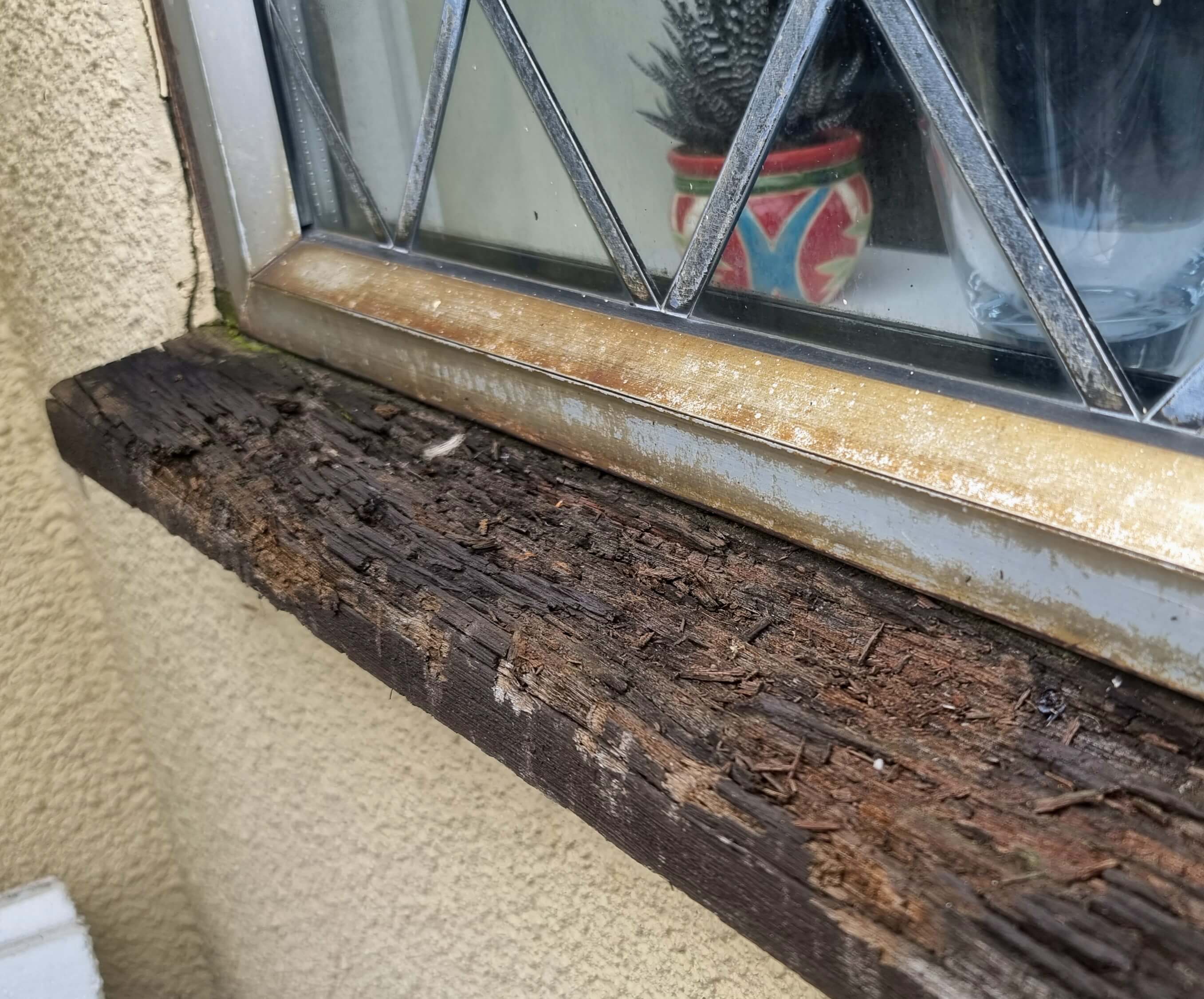
  • It’s damaged the building, like plaster or woodwork.
  • You’re not sure how to tackle it safely.
  • You’d rather save the time and have it done properly.
What we do

About mould removal

We remove harmful mould of all kinds, including black mould (Stachybotrys). It usually comes from leaks, flooding, poor ventilation, weak insulation, high humidity or plumbing problems.

Mould can hide behind walls, under floors and in roof spaces, and often only shows once it breaks through the surface.

Send us a photo for a free quote
Prevention

10 ways to reduce mould at home

A family of four can release 7–15 litres of water a day from cooking, showering and breathing.

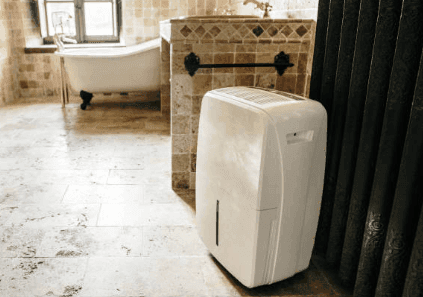
  • Dehumidifier in a room

    Control humidity

    Use a dehumidifier and keep humidity between 30% and 50%.

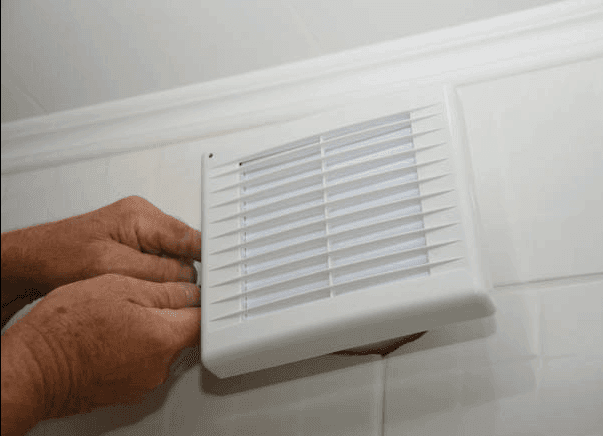
  • Extractor fan vent

    Ventilate

    Run extractor fans while cooking and showering.

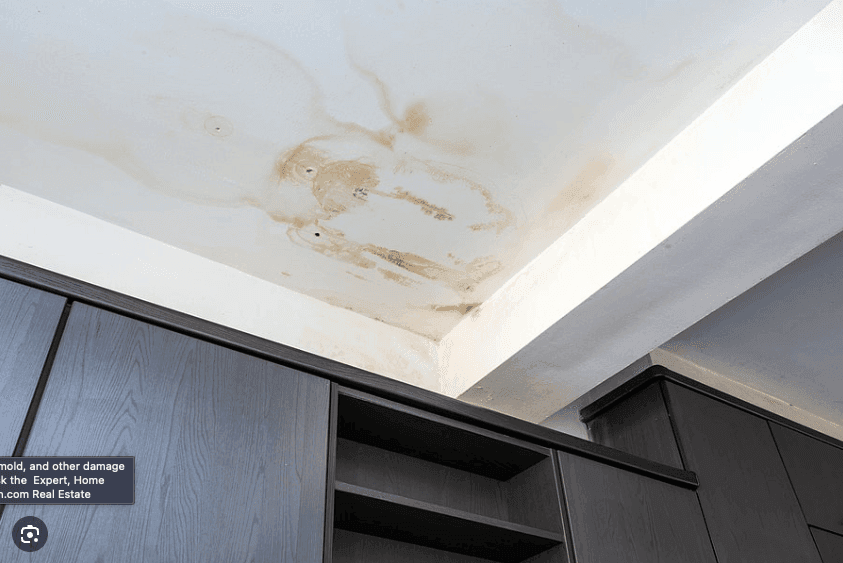
  • Water-stained ceiling from a leak

    Fix leaks promptly

    Repair pipes, roofs and walls before water builds up.

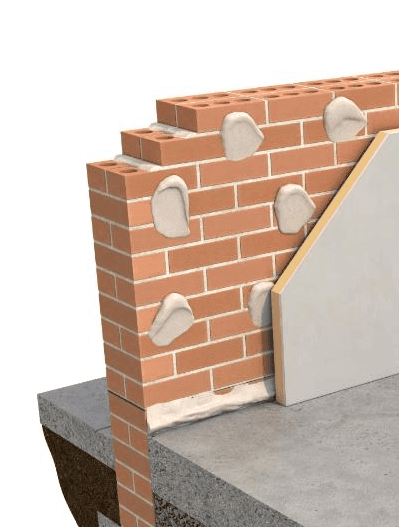
  • Cross-section of an insulated wall

    Insulate properly

    Insulated walls, windows and pipes mean less condensation.

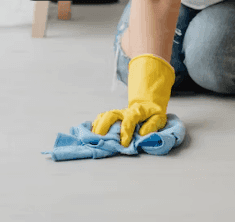
  • Wiping a surface with a cloth

    Clean regularly

    Keep bathrooms and kitchens clean and dry.

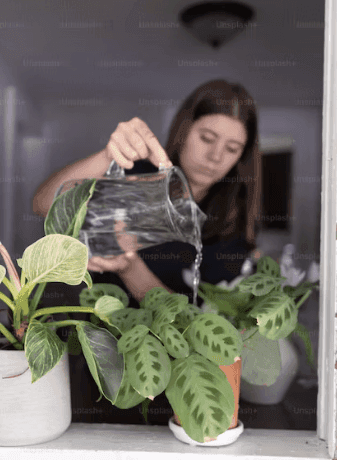
  • Watering indoor plants

    Mind your houseplants

    Overwatering adds more moisture than you’d think.

  • Loft space

    Check lofts & basements

    Keep them ventilated, leak-free and checked now and then.

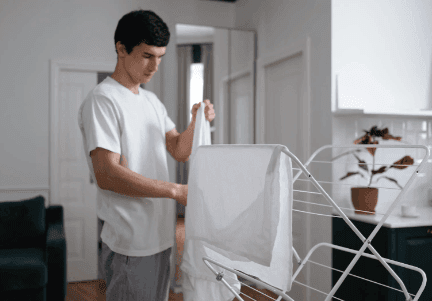
  • Clothes drying indoors

    Dry washing outside

    Or use a vented dryer or dehumidifier and open a window.

  • Window frame and seal

    Maintain seals

    Check seals around doors and windows.

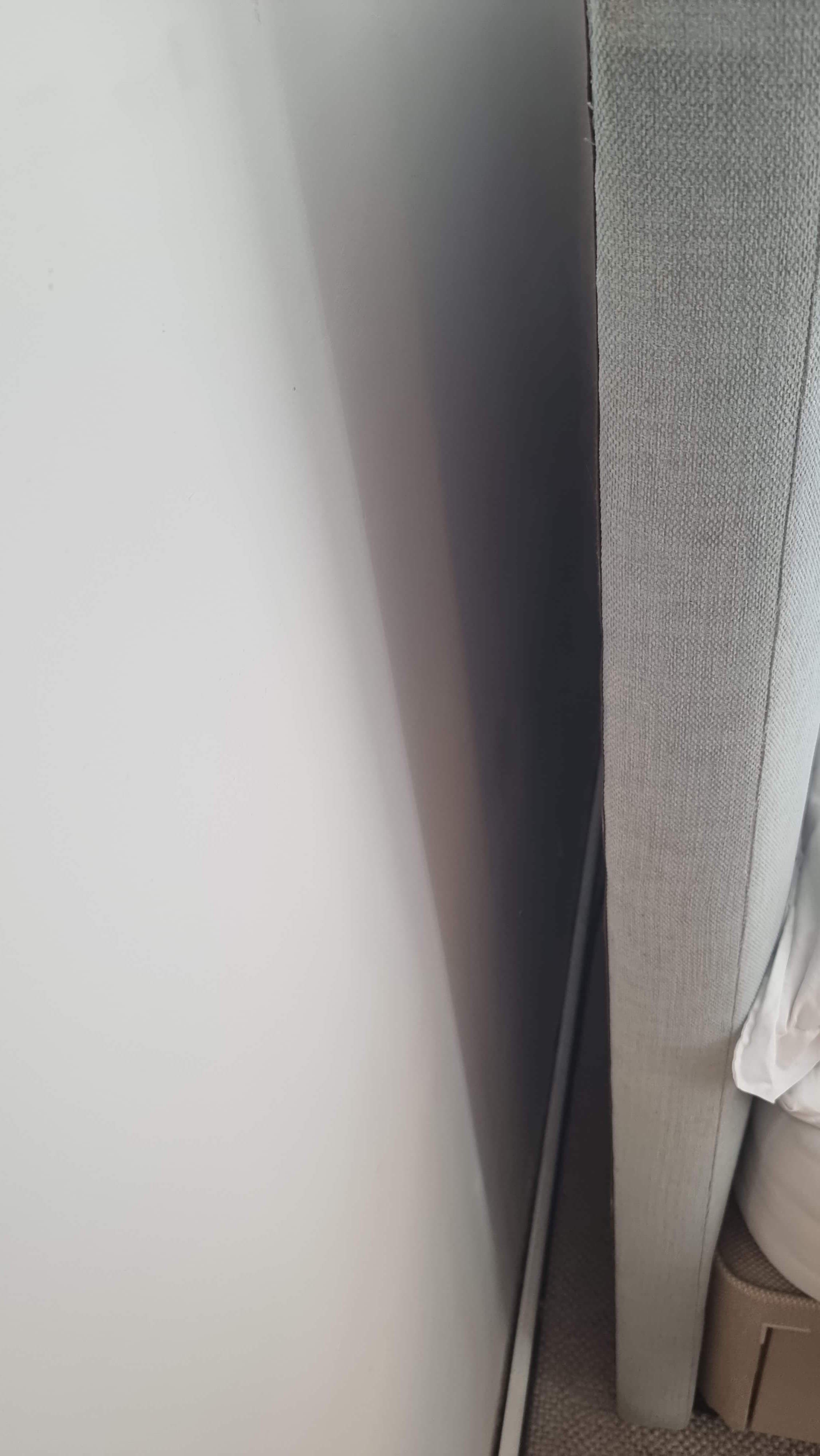
  • Gap between furniture and wall

    Leave a gap

    In winter, pull furniture slightly off outside walls.

FAQs

Good questions

Do I have black mould in my home?

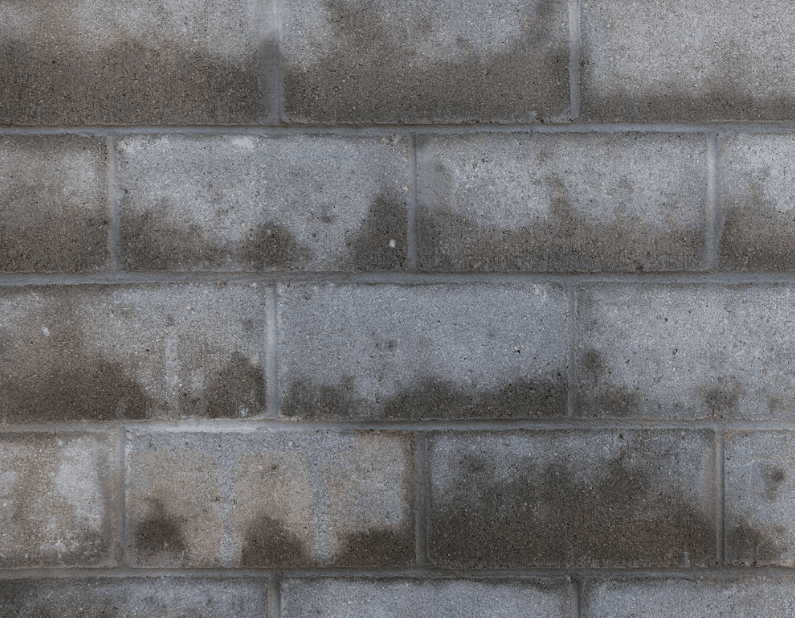
To find out if you have black mould or any other type of mould in your home, you should perform a visual inspection. Check areas that are prone to moisture, such as bathrooms, kitchens, basements, and areas with water leaks. Black mould often appears as black or dark green patches and can have a slimy texture.

If you suspect you have mould, it's essential to take it seriously, as mould can have adverse effects on health. Contact us if you're looking to effectively get rid of the mould in your home and help put your mind at ease.

How do I stop mould coming back?

Preventing mould formation in a home involves taking proactive measures to control moisture and create an environment that is less conducive to mould growth.

Key advice to prevent mould formation includes reducing humidity (efficient bathroom & kitchen extractor fans), improving ventilation (open windows), adding insulation to external-side walls and fixing any leaks.

To put things into perspective, an average family of four can release around 7 to 15 litres of water per day through activities such as cooking, showers, breathing, and perspiration, with cooking and showering being the main contributors to indoor moisture.

For practical advice, see our 10 ways to reduce mould at home.

What happens on the day of treatment?

For the safety and well-being of our customers, it's recommended to vacate the premises during the mould treatment process. Leaving windows open and ensuring proper ventilation for at least one hour helps disperse any residual fumes or particles. As part of our commitment to safety, we wear full Personal Protective Equipment (PPE), including ventilation masks, while working with our products to ensure a secure and healthy environment for everyone involved.

How long does it take?

The time frame varies depending on the extent of the mould infestation. We aim to complete the treatment as efficiently as possible without compromising quality.

What areas do you cover?

We cover Hertfordshire, Cambridgeshire and Essex as our primary service areas. However, we are willing to travel further for the right jobs. Your satisfaction is our priority, and we aim to accommodate your needs to the best of our ability.

Still worried about mould?

Send us a few photos for a free, no-obligation quote.

Call usFree quote